
PET Scans: A High-Tech Look Inside Your Body
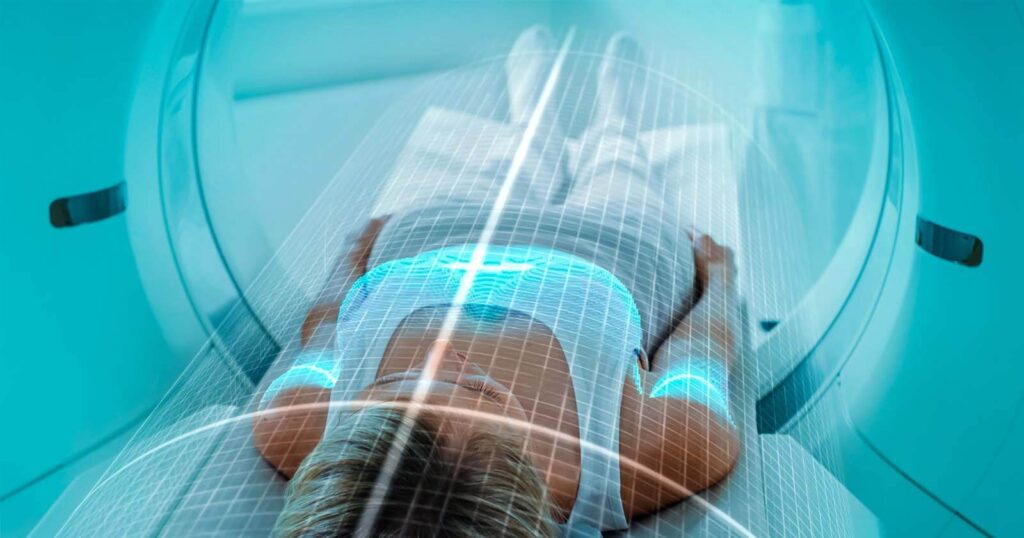
PET scans can still be very helpful for both you and your doctor. If you have any questions or concerns about PET scans, or if you’re thinking about having one, it’s always a good idea to talk to your doctor. They can give you more information and help you make a decision about whether a PET scan is the right choice for you.
PET Scan vs. CT Scan: What’s the Difference?
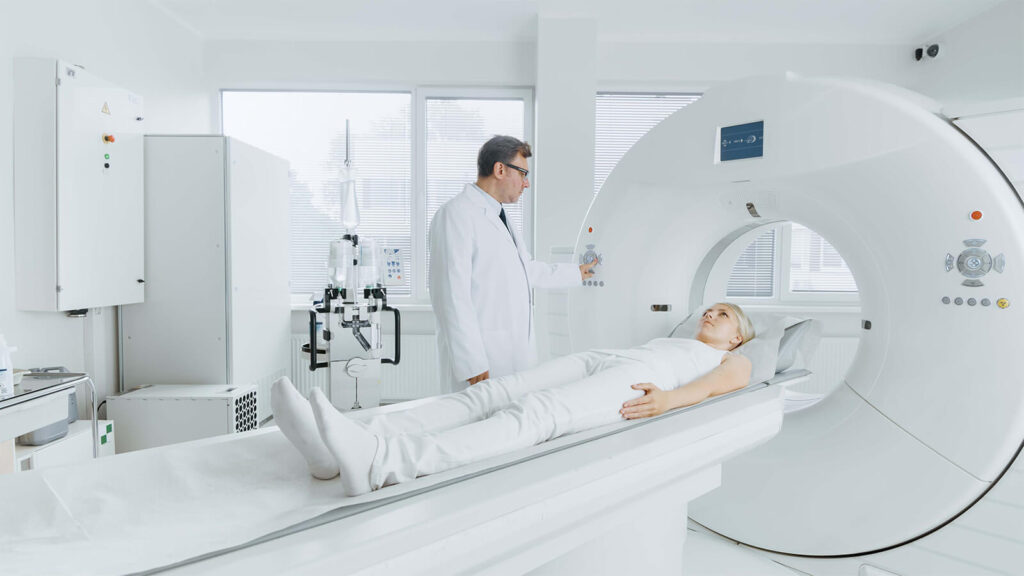
Both PET scans and CT scans are useful methods for diagnosing medical conditions. PET scans are particularly helpful for identifying and diagnosing cancer as well as other conditions like heart disease and brain disorders because they have the unique advantage of being able to provide functional information about the body’s tissues and organs. PET scans are an important tool in the field of medical imaging, despite having some drawbacks and perhaps not being as widely or inexpensively available as CT scans.
PET Scan vs. MRI: What’s the Difference?
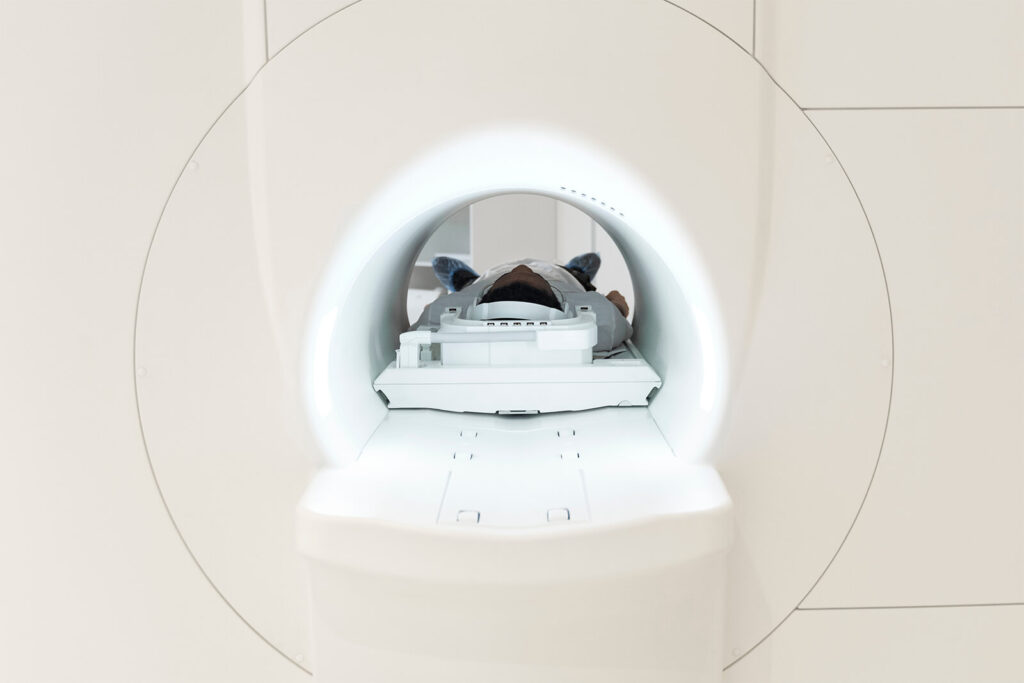
Both PET scans and MRI are beneficial medical imaging techniques, but they each have particular benefits and drawbacks. While MRI is particularly useful for creating detailed images of the body’s soft tissues and has the ability to image the body in multiple planes, PET scans are particularly useful for providing functional information about the body’s tissues and organs and are highly sensitive and accurate. The most thorough and precise diagnosis and treatment plan may every once in a while, be produced by combining PET and MRI.
PET reveals visual brain pattern of long COVID

A PET study in 143 individuals has identified the metabolic fingerprint of long COVID in the brain, involving decreased activity in the olfactory and limbic areas, and the pons and cerebellum.
PET predicts long term response after CAR-T treatment for lymphoma

In the study of CAR-T with lymphoma, researchers are discovering that PET scans with FDG (a modified sugar molecule) predict long term response to CAR-T therapy. For patients who are not responding, this gives doctors time to switch to other treatment regimens without having to wait.
PET tracer may improve understanding of Alzheimer’s Disease

This new PET tracer compound, SMBT-1, focuses on astrocytes, which are the most abundant cell type in the brain, even more abundant than neurons. The tracer is able to selectively detect activated astrocytes, which may be a marker of undesirable brain inflammation which precedes cognitive deterioration.
PET shows potential at detecting neuroedocrine cancer

A new PET tracer, uPAR, is able to detect the functional activity of these tumours, allowing them to be more easily diagnosed and therefore referred for better treatment earlier. It can also aid physicians in determining who is at greater risk of disease progression.