The Utility of PSMA PET for a Patient with Metastatic Castrate-Resistant Prostate Cancer Case of the Month – Ephraim Parent

Story: https://www.urotoday.com/video-lectures/snmmi-case-of-the-month/video/3317-the-utility-of-psma-pet-for-a-patient-with-metastatic-castrate-resistant-prostate-cancer-case-of-the-month-ephraim-parent.html

Ephraim Parent presents a case highlighting the utility of PSMA PET for a patient with metastatic castrate-resistant prostate cancer. The PSMA PET scan revealed discordant disease, with soft tissue predominantly FDG-avid and the osseous disease either matching hypermetabolic and PSMA-avid lesions or predominantly PSMA. Based on these findings, the patient was determined to be inappropriate for Pluvicto therapy, which is known to have worse outcomes for patients with the discordant disease.

Biographies:

Ephraim Parent, MD, PhD, Associate Professor of Nuclear Radiology, Mayo Clinic, Jacksonville, Florida

Related Content:


Heterogeneity of PSMA Uptake in Prostate Cancer – SNMMI Case of the Month – Akintunde Orunmuyi

Using Gallium PSMA PET to Evaluate Progression and Eligibility for Lutetium-177 PSMA Therapy – Bennett Chin

Read the Full Video Transcript

Ephraim Parent: Hello, welcome. My name is Ephraim Parent. I am presenting the third case in the joint collaboration with SNMMI and UroToday in presenting cases highlighting the power and utility of PSMA PET. I’m just going to go ahead and get started.

The patient that we have today, he has known metastatic castrate resistant prostate cancer. He has a Gleason 9, so high-grade prostate cancer, and he’s been on several rounds of therapy, including several anti-androgens as well as taxane therapy with docetaxel. At the time of imaging, he’s presenting with increasing prostate serum antigen or PSA scores. At the time of imaging, his most recent PSA was 24.2 nanograms and he had a doubling time of 2.7 months. He underwent both FDG PET and PSMA-11, or Locametz or Illuccix are the trade names PET scans, to determine his eligibility for the PSMA-617, or Pluvicto, therapy.

I’m showing the maximum intensity projection, or MIP, images of both scans. The FDG PET is on the left side of the screen and the PSMA-11 scan is on the right side of the screen. Once you look at this, there’s a few things that kind of jump out really quickly. If we start just looking, because it’s on the left side of the screen, we’ll start looking at the FDG PET. We see that there’s a lot of these dark dots which are lymph nodes that we are seeing here that I’ve highlighted in red several of them and they do not have a clear correlate for the PSMA scan. I will be showing the transactional slices to further elucidate that on the next slides.

But in addition to the lymph nodes that we’re seeing on the FDG PET, we also see many osseous lesions, and that’s pretty much everything else that you’re seeing here with the black dot. And some of them, such as this lesion here that I’ve highlighted with the green arrow, have a good correlate on the PSMA, whereas others, such as, if you now turn your eyes to the PSMA scan, have uptake on the PSMA PET but don’t really have a good correlate for the FDG.

So, without going into a lot of detail, we can pretty quickly assess that there’s kind of a discordant nature to the disease, both that the lymph nodes appear to have more FDG uptake and the osseous disease is either kind of matching or has more PSMA uptake than FDG. Again, looking at some transactional slices to further delineate this. This is a right obturator node that we’re seeing here, and we see this intense FDG uptake here on the right. This same lymph node on the PSMA PET scan has mild uptake, but less than liver. So it would really be not PSMA-avid disease. These are just the fused and then the PET and then CT images all showing the same image on different projections.

This is another lesion, a kind of aortocaval node, that has intense FDG uptake here. And then there is some PSMA uptake here, but really, when we equate it to the reference organs such as the blood pool of liver or the parotid gland, you see it has uptake somewhat less, but comparable to liver. Again, with these lymph node disease, there’s a clear discordance between the FDG uptake and the PSMA uptake.

When we turn to looking at the osseous disease, again, we see areas of increased FDG uptake, but that is not as well represented as on the PSMA PET scan, where we see more uptake involving that lesion in the right hemisacrum of the S1 level. But there’s more uptake on the PSMA PET scan than we see on the FDG. There is some disease there in this evident of FDG, but much more obvious on the PSMA PET scan. Similarly, there’s a lesion here in the right iliac crest with moderate to markedly increased PSMA uptake, but very little to no FDG uptake. This is a different picture than what we see with the lymph nodes, and again, I’m kind of highlighting a couple other lymph nodes in the right retroperitoneal fossa here that have intense FDG uptake, but very little to no PSMA uptake.

The conclusion is, when we look at this, is that there is discordant disease, that the soft tissue is predominantly FDG-avid and the osseous disease is either matching hypermetabolic and PSMA-avid lesions or predominantly PSMA. And when you look at this, it was determined that this patient was not appropriate for undergoing Pluvicto therapy, as these patients are known to have a worse outcome when compared to patients that have either matching or only PSMA-avid disease.

To highlight this, these are a few cases or papers that are coming from the literature. For example, from the literature, we have a patient here on the left that has a hypermetabolic left inguinal lymph node and very little to no PSMA uptake. In that same lymph node, this would be a discordant hypermetabolic lesion. This is a different patient here, also from the literature, that had an external iliac lymph node with relatively little FDG uptake, but rather intense PSMA uptake. And this would be an example of a patient that did not have discordant disease or just PSMA-avid disease. Again, when they look at this, they find, in this group, there is about 23% of patients had this discordant disease and they had had a higher grade of disease and progression.

When they look at how these patients responded to treatment, there is a marked difference in how the patients with discordant hypermetabolic disease responded to therapy compared to those with PSMA-avid disease. In those patients with discordant disease, they had overall survivability of 2.6 months versus 13.5 months, which is pretty remarkable.

The question could be asked, well, what if these patients, the reason they didn’t do as well is because they did not receive the PSMA therapy, which is, in case, what happened with this group of patients. This study here that came out in 2021 kind of answered that same question. They similarly identified a minority of their patients that were being evaluated for PSMA therapy having discordant disease, in this case it was about 33%. And all patients, both those with discordant hypermetabolic disease and those with just PSMA-avid disease, underwent lutetium-177 PSMA therapy. The only difference is that those with the discordant hypermetabolic disease underwent fewer cycles.

When we look at the Kaplan-Meier plot, we can see that there’s a clear difference in outcomes. They’ve all received PSMA therapy, but there’s a clear difference in those that had PSMA concordant disease and those that had discordant disease. We can see that the overall survivability of the patients with discordant disease was 6 months versus 11 months.

So there is clear evidence that is kind of borne up by several small studies that patients with discordant hypermetabolic disease will have a worse outcome on the PSMA therapy. And even if it’s only a single lesion, they will have worse outcomes. That’s why the package insert and the consensus is that patients with discordant disease or evidence of PSA-negative disease should probably not be treated with the Pluvicto therapy, similar to our patients that I presented today. That concludes this case. I’d like to thank the SNMMI group for helping put this together and thank you very much for your attention.

Summary:

In this video presentation, Dr. Ephraim Parent discusses the case of a patient with advanced prostate cancer. The patient had previously undergone several rounds of treatment and was experiencing increasing levels of a marker called PSA. The doctor used two different types of PET scans to evaluate the patient’s cancer: one that used a sugar-based tracer called FDG, and another that used a PSMA-based tracer called PSMA-11. The doctor found that there was a difference in the way the cancer showed up on the two scans: some areas of cancer had high levels of FDG uptake but low levels of PSMA uptake, while other areas had high levels of PSMA uptake but low levels of FDG uptake. Based on this information, the doctor decided that the patient was not a good candidate for a particular type of therapy called Pluvicto, which is used to treat PSMA-avid cancer. The doctor explained that discordant disease, where there are differences in the way cancer shows up on different types of scans, can affect treatment outcomes.


UBC ranked 22nd in the world for life sciences and medicine

Story: https://www.med.ubc.ca/news/ubc-ranked-22nd-in-the-world-for-life-sciences-and-medicine/?utm_source=newsletter&utm_medium=email&utm_campaign=thelink

UBC is now ranked 22nd in the world for life sciences and medicine according to the latest QS World University Rankings. UBC is consistently among the top-tier life sciences and medical schools around the globe and this latest ranking represents the university’s highest placing ever, up two spots from 2022.

Dermot Kelleher

Dr. Dermot Kelleher

“These latest rankings reflect the university’s extraordinary community of scientists, educators, learners and staff who have come together with a shared vision to transform health for everyone,” says Dr. Dermot Kelleher, UBC’s Vice-President, Health and Dean of the Faculty of Medicine. “Together, through inspired and collective action, our community is translating breakthrough discoveries and innovative learning experiences into better health outcomes for patients here at home and around the world.”

Across disciplines, the UBC faculties of medicine, science, applied science, pharmaceutical sciences, dentistry and others are leading globally important research and innovation, and training the next generation of doctors, scientists and healthcare professionals who are creating pathways to better health for communities in British Columbia, across Canada and beyond.

For example, in the last year alone, researchers at UBC’s Faculty of Medicine launched the world’s first clinical trial for a genetically engineered stem cell-based therapy for type 1 diabetes and identified a promising new treatment pathway for muscular dystrophy. Major advancements were also made toward universal organs for transplant, improving access to medicines using drone technologies, and on strategies to reduce ovarian cancer risk, among many other critical areas.

“These latest rankings reflect the university’s extraordinary community of scientists, educators, learners and staff who have come together with a shared vision to transform health for everyone.”

Dr. Dermot Kelleher

In response to the pandemic, UBC professor Dr. Pieter Cullis was widely recognized for his pioneering work developing the lipid nanoparticle delivery technology that enables mRNA therapeutics such as the highly effective COVID-19 mRNA vaccines. Another UBC professor, Dr. Sriram Subramaniam, led first-in-the-world work to map the Omicron spike protein and identified a major therapeutic target for all variants of SARS-CoV-2.

A global leader in distributed education in regional, rural and remote communities, UBC’s Faculty of Medicine continues to expand its medical and health professions training programs across British Columbia to meet the unique health needs of individuals, diverse populations and society. This involves expanding the group of potential students, including those who identity as part of historically, persistently, or systemically marginalized groups.

Together with partners across academia, health care, industry and the public and not-for-profit sectors, UBC is fostering a world-leading biomedical innovation and life sciences ecosystem in B.C. and Canada that is improving the health and well-being of people everywhere.

Summary:

The University of British Columbia (UBC) has been ranked as the top university in Canada for medicine and health sciences by US News & World Report’s 2023 Best Global Universities Rankings. UBC’s Vice-President, Health and Dean of the Faculty of Medicine, Dr. Dermot Kelleher, credited the ranking to the university’s “extraordinary community of scientists, educators, learners and staff who have come together with a shared vision to transform health for everyone.” UBC faculties of medicine, science, applied science, pharmaceutical sciences, and dentistry are at the forefront of globally important research and innovation, training the next generation of healthcare professionals, and creating pathways to better health for communities in British Columbia, Canada, and beyond. UBC is fostering a world-leading biomedical innovation and life sciences ecosystem in Canada that is improving the health and well-being of people worldwide. All of INITIO’s physicians were either UBC trained, hold teaching appointments at UBC, or both.

UBC biotech spin-off raises $75M to bring cancer treatments to patients

Story: https://www.med.ubc.ca/news/ubc-biotech-spin-off-raises-75m-to-bring-cancer-treatments-to-patients/?utm_source=newsletter&utm_medium=email&utm_campaign=thelink

With roots in UBC research, Alpha-9 Theranostics is developing cancer radiotherapies that target tumours while avoiding healthy tissues.

Alpha-9 Theranostics, a UBC spin-off company founded by three university researchers, has raised $75 million to develop next-generation radiopharmaceuticals that promise to meaningfully improve treatment for people with cancer.

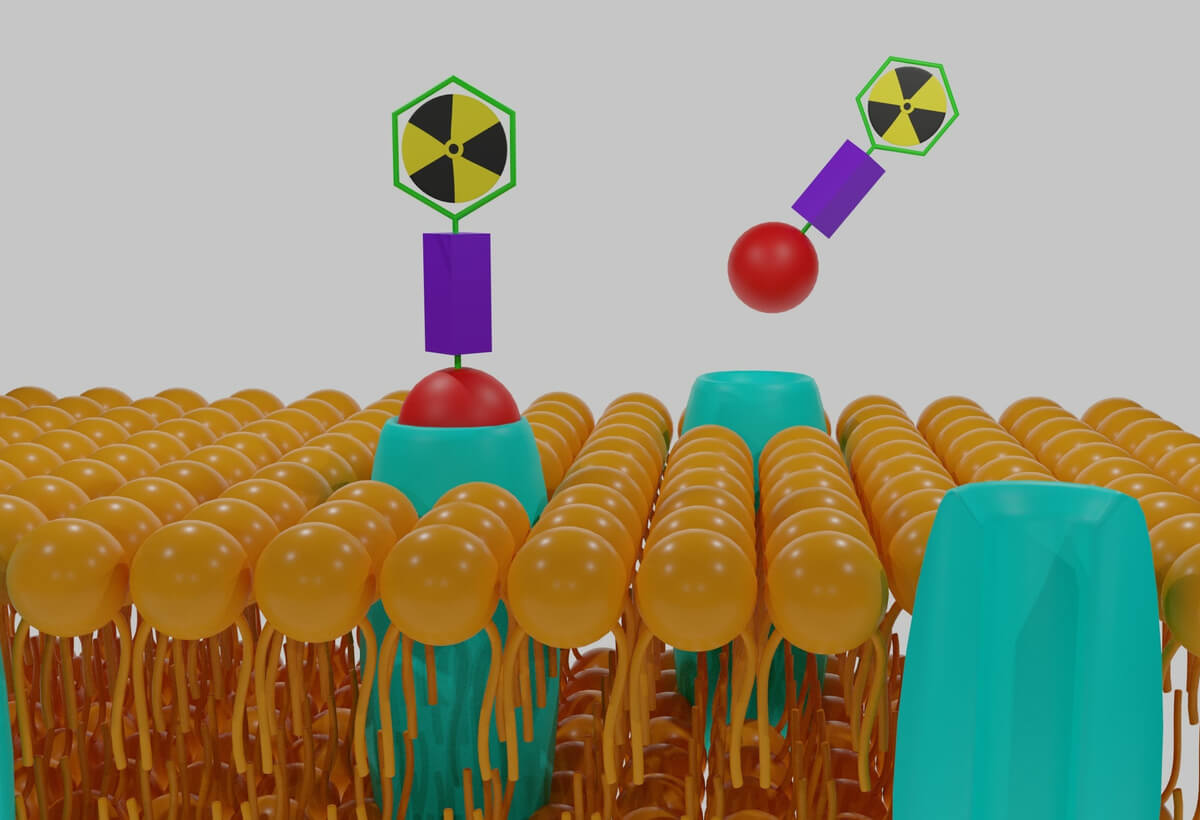
Based on more than a decade of ground-breaking research at UBC and BC Cancer, the cancer drugs act like a homing device — seeking out tumours to deliver targeted radiation treatment, while having minimal impact on nearby healthy tissues. This precision targeting results in drugs that can be more effective and have fewer side effects for patients than traditional radiation treatments.

“We founded this company to turn the research we were doing at UBC and BC Cancer into treatments that will help patients thrive and, ultimately, save lives,” says Dr. François Bénard, one of the company’s co-founders, and a radiology professor at UBC’s faculty of medicine and senior executive director of the BC Cancer Research Institute. “Seeing these treatments move into clinical testing following more than a decade of basic and translational research is inspiring and the result of a tremendous collaborative effort. This new financing will further accelerate development, bringing new cancer treatments to patients faster.”

Alpha-9’s radiopharmaceuticals are designed to treat a range of solid and hematologic cancers such as prostate cancer, breast cancer, leukemia and lymphoma. According to Dr. David Hirsch, chief executive officer of Alpha-9, the $75 million in Series B financing will enable the company to bring its first five treatments into clinical trials with patients over the next two years.

“Thanks to the cutting-edge research at UBC, these radiotherapies have tremendous potential to address a wide range of cancers,” says Dr. Hirsch. “In the coming years, we plan to progress multiple treatments into first-in-human clinical trials, harnessing the potential of radiopharmaceuticals to realize more effective treatments for people living with cancer.”

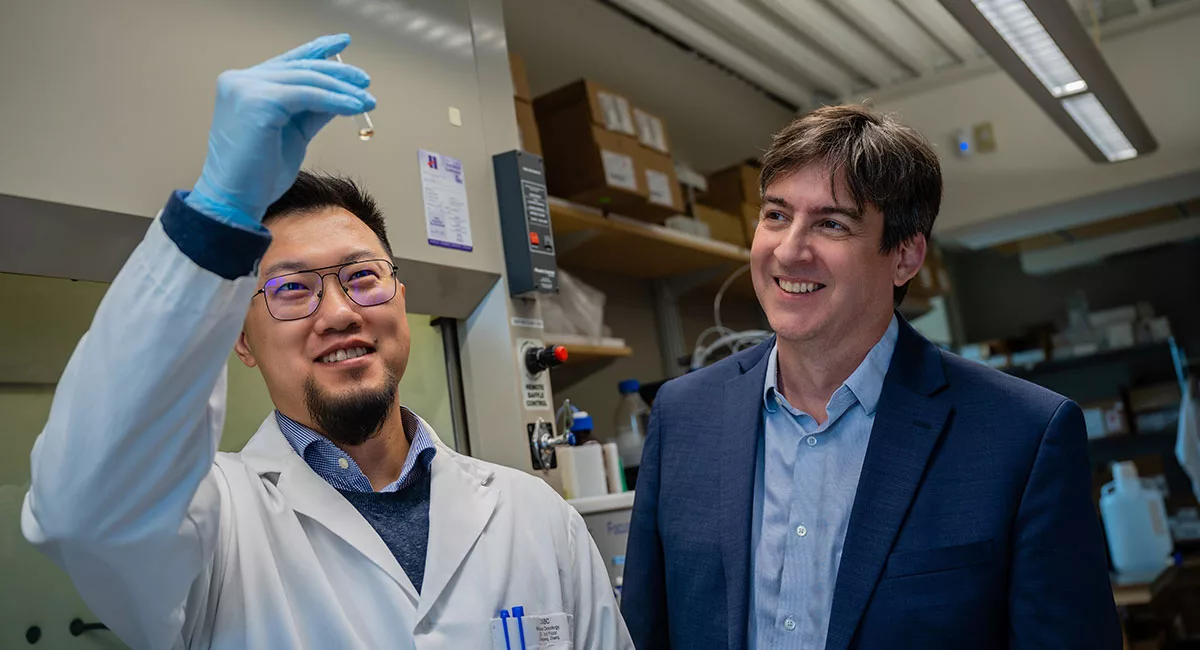
Dr. Lei Wang, UBC PhD student, and Dr. Kuo-Shyan Lin observe mass spectrometer results of a newly synthesized peptide.

From UBC labs to successful start-up

Alpha-9 was founded in 2019 by Dr. Bénard alongside UBC professors Drs. Kuo-Shyan Lin and David Perrin. But it was a decade earlier that the trio first started working together.

Dr. Perrin, a UBC professor of chemistry, had invented a new method to easily tag molecules with fluorine-18, a radioisotope widely used for cancer imaging. He and Dr. Bénard started exploring how to use this method to label peptides — small molecules that seek out and attach to unique proteins that exist on the surface of tumours — to improve cancer diagnosis.

At the same time, Dr. Lin, a UBC radiology professor and senior scientist at BC Cancer, was developing new cancer-targeting peptides and working with Dr. Bénard to label them with therapeutic radioisotopes. Instead of emitting gamma rays used for imaging, these radioisotopes emit particles, called alpha and beta particles, that destroy cancer cells.

According to Dr. Lin, they each brought unique expertise from their respective disciplines that helped bridge the worlds of cancer diagnostics and therapy.

“Our work was very complimentary and we realized there was tremendous potential to apply it across both the diagnostics and therapeutics spaces. We knew we would need both components, because if we want to do therapy, we also need a diagnostic companion to identify patients who will benefit from therapy,” says Dr. Lin.

“We founded this company to turn the research we were doing at UBC and BC Cancer into treatments that will help patients thrive and, ultimately, save lives.”

— Dr. François Bénard
Professor of Radiology

Leveraging a team science approach, the researchers began developing peptides that home in on cancer cells, and combining them with diagnostic radioisotopes for cancer localization and treatment planning, and with therapeutic radioisotopes to seek and eliminate cancer cells.


Dr. Julie Rousseau

The researchers filed a number of patents for the technologies they developed and worked with UBC’s University-Industry Liaison Office and the Technology Development Office at BC Cancer to license the technology and eventually form Alpha-9. Dr. Bénard is quick to credit the success to their multi-disciplinary teams, saying that many of the research trainees continue to play a central role in the company today.

“UBC trainees and students were instrumental in the initial research and several have now taken up leadership roles within the company to lead the science,” says Dr. Bénard. “It’s one of the many benefits of doing business in B.C. There are many highly-skilled science trainees that come out of UBC, creating a rich environment for companies to thrive in Vancouver.”

Dr. Julie Rousseau was one of those trainees, working as a postdoctoral fellow in Dr. Bénard’s lab from 2015 to 2019. Now, she’s Alpha-9’s associate director of translational biology.

“During my UBC postdoctoral training with Dr. Bénard, I was trained in preclinical drug screening, target selection, as well as radiopharmaceutical development strategies. I also had the opportunity to hone my mentorship and leadership skills by training undergraduate and graduate trainees within the lab. This exceptional training period has allowed me to assume a leadership role at Alpha-9.”

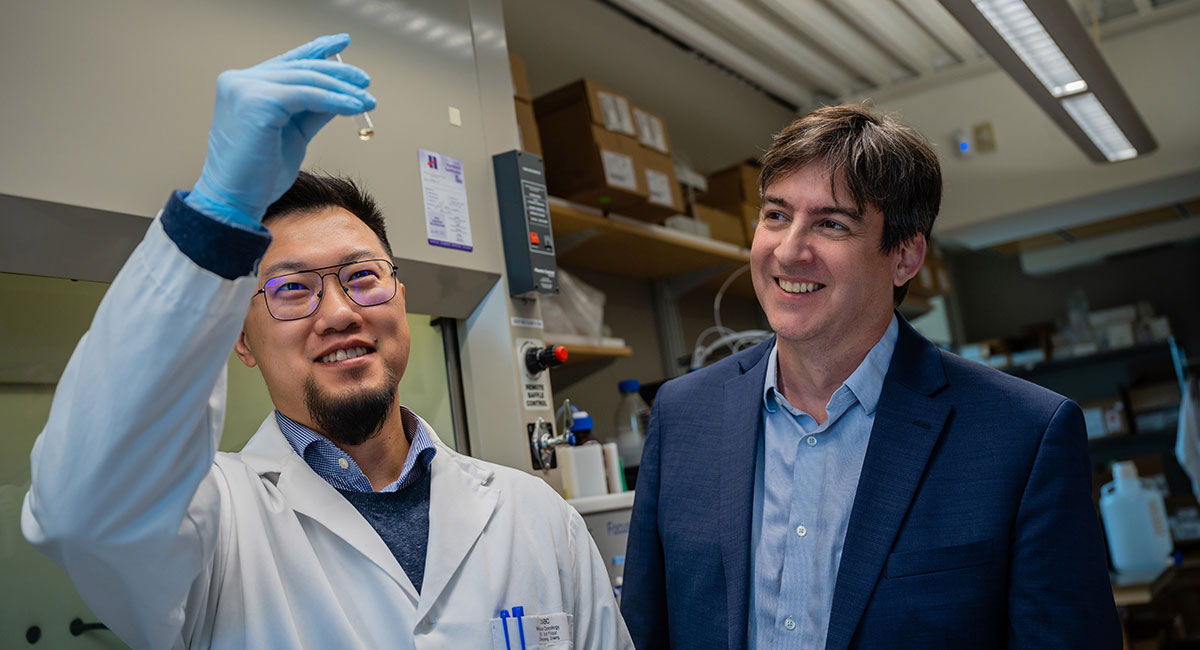
Post-doctoral fellow Dr. Devon Chapple and Dr. Maria de Guadalupe Jaraquemada-Pelaez, BC Cancer staff scientist prepare an experiment.

B.C. a leader in cancer research

Three years after being founded, Alpha-9 has grown to over 15 employees. The company has a research and development facility located in Vancouver as well as offices in Boston.

Alpha-9 plans to leverage the new round of investor financing to continue expanding over the coming year, growing its workforce to as many as 45 employees by the end of 2023. Construction is also underway on a new research facility in the Mount Pleasant area of Vancouver that will house the company’s chemistry, biology, translational research and radiochemistry teams, as well as support product formulation.


Dr. Dermot Kelleher

According to Dr. Bénard, it’s a testament to B.C.’s established leadership in cancer research.

“Vancouver is home to tremendous experience in radiopharmaceutical development and nuclear medicine that makes it an ideal location for these research labs,” says Dr. Bénard. “There’s a critical mass of expertise that is driving biomedical innovation, in part because of the rich talent and research coming out of UBC, and the broader ecosystem that includes world-leading organizations like BC Cancer and TRIUMF, as well as a range of established and emerging biotech companies.”

For Dr. Dermot Kelleher, dean of UBC’s faculty of medicine and vice-president, health, Alpha-9 is another example of how UBC researchers are driving innovation to tackle today’s most pressing health challenges.

“UBC researchers are accelerating the discovery and development of new treatments for a range of diseases such as cancer, Alzheimer’s and diabetes,” says Dr. Kelleher. “Investors and companies are taking notice of the talent and expertise that exists here and its proximity to the university. They’re increasingly choosing B.C. as a place to invest and grow their business, which is in turn, creating jobs and bringing new treatments to British Columbians sooner.”

Dr. François Bénard and Dr. Chengcheng Zhang, BC Cancer staff scientist, observe the synthesis of a new peptide.

Improving patient outcomes

For Dr. Bénard, what’s most exciting about Alpha-9’s rapid growth is the potential to impact patients.

“We’re not talking about 10 or 20 years down the road. There are real short-term objectives to open up multiple clinical trials with patients in the coming years.”

“Thanks to the cutting-edge research at UBC, these radiotherapies have tremendous potential to address a wide range of cancers.”

— Dr. David Hirsch
Chief Executive Officer, Alpha-9

Dr. Bénard says that Alpha-9’s new radiopharmaceuticals will add an additional treatment option that is different, yet complementary, to existing approaches. And because the treatments are highly-targeted and designed to avoid healthy tissues, patients undergoing treatment could see fewer side effects and enjoy a greater quality of life.

“Patients are what this is all about. While there have been leaps and bounds in terms of cancer treatment options in recent decades, it remains the leading cause of mortality in Canada. We have a real opportunity to change that and improve outcomes for people living with cancer.”

Summary:

INITIO Medical Group is only one of many Vancouver based nuclear medicine startups with ties to UBC. Alpha-9 Theranostics, a UBC spin-off, has raised $75m in series B financing to develop next-generation radiopharmaceuticals designed to seek out tumours to deliver targeted radiation treatment with minimal impact on nearby healthy tissues. Alpha-9’s radiopharmaceuticals are designed to treat a range of solid and hematologic cancers such as prostate cancer, breast cancer, leukemia, and lymphoma. The investment will allow the company to bring its first five treatments into clinical trials with patients over the next two years. Alpha-9 was founded in 2019 by three UBC researchers, who had been working together for over a decade, and focuses on developing therapies that improve cancer treatment while reducing side effects. The researchers filed patents for the technologies they developed and worked with UBC’s University-Industry Liaison Office and the Technology Development Office at BC Cancer to license the technology and eventually form Alpha-9.

Dr. Ravi on the increased burden of the 177Lu-PSMA-617 shortage for newly referred patients

Story: https://www.urologytimes.com/view/dr-ravi-on-the-increased-burden-of-the-177lu-psma-617-shortage-for-newly-referred-patients

“Where it’s feasible and where the patients are eligible, I and others are trying to use alternative therapies, which have probably a similar impact in terms of improving longevity of life for patients [with prostate cancer],” says Praful Ravi, MD, BChir, MRCP.

In this interview, Praful Ravi, MD, BChir, MRCP, discusses the impact of the ongoing 177Lu-PSMA-617 (Pluvicto) shortage in the United States. Ravi is a medical oncologist at the Lank Center for Genitourinary Oncology at Dana-Farber Cancer Institute in Boston, Massachusetts.

In this interview, Praful Ravi, MD, BChir, MRCP, discusses the impact of the ongoing 177Lu-PSMA-617 (Pluvicto) shortage in the United States. Ravi is a medical oncologist at the Lank Center for Genitourinary Oncology at Dana-Farber Cancer Institute in Boston, Massachusetts.

Video Transcript:

In terms of patient care, the shortage obviously [affects] clinical decision-making. We have patients who are eligible for Lutetium per the FDA label and per the VISION criteria and meeting the trial requirements and eligibility, but unfortunately, we’re not able to start them on treatment. The shortage is currently predominantly affecting new patients, patients newly referred for this treatment, or potentially eligible. Existing patients who have already started their treatment are generally being on the whole, less affected, although some have still been affected in terms of delays, but it’s really the new patients. Some of these patients newly referred don’t have any other proven therapies remaining. All other therapies have failed them. This is the only one on the shelf that has a proven benefit. Unfortunately, we can’t offer them that at this stage.

So clearly, we’re trying to think about what can we do? Are there alternatives? Some people, they may have other alternatives. I think it’s very important for the community to realize that [although] the label for Lutetium is having just had 1 prior chemotherapy and 1 prior novel hormone agent, there are other chemotherapies and hormone agents and other classes of therapy, including, for example, radium, which are available, as well, which all have a proven benefit in terms of prolonging life. So, where it’s feasible, and where the patients are eligible, I and others are trying to use alternative therapies, which have probably a similar impact in terms of improving longevity of life for patients. It’s really for those patients who’ve been through everything, and we don’t have anything else left. They’re the ones really impacted.

I’ll also say clinical trials are a big thing. [Although] not all trials are beneficial for everyone, some patients do benefit from trial drugs, from experimental drugs. We’re always trying to look out for clinical trials that someone might be eligible for. It’s really all about sequencing and buying time and adding each agent, adding a little bit of time. If you string all those out, then you can make that time longer. It’s really trying to think about alternatives, trying to think about clinical trials, trying to think what else have they been through? What have they been through in the past? Can we use similar or the same drugs again? And really, that’s how we decide how we are managing this in clinic.

This transcription has been edited for clarity.

Summary:

The shortage of Lutetium, a drug used to treat certain types of cancer, is affecting the clinical decision-making process for American patients who are eligible for the treatment but cannot start it due to the shortage. The shortage mainly affects new patients who have just been referred for this treatment and do not have any other proven therapies remaining. While existing patients who have already started their treatment are generally less affected, some experience delays. Physicians are looking for alternatives and considering other therapies such as radium, which have a similar impact in terms of improving longevity of life for patients. Clinical trials are also an option for some patients, as some may benefit from experimental drugs. Physicians are trying to sequence treatments and add each agent to add a little more time to the patient’s life. Overall, the focus is on finding alternatives and managing the shortage in the best possible way for patients. So far, lutetium shortages have not affected Canadian availability, and at INITIO we continue to be able to offer this treatment in a timely fashion.

PSMA-PET Improves Prostate Cancer Staging, Influences Decision-Making

Story: https://www.renalandurologynews.com/home/news/urology/prostate-cancer/psma-pet-improves-prostate-cancer-staging-influences-decision-making/

Prostate-specific membrane antigen positron emission tomography (PSMA-PET) should be performed only in patients with high-risk or unfavorable intermediate-risk prostate cancer staging, according to a recent review published in European Urology Oncology.

Due to its suboptimal sensitivity for lymph node metastasis, it should not be used to avoid pelvic lymph node dissection during radical prostatectomy for primary cancer. It might allow patients to have nerve-sparing surgery, according to Francesco Ceci, MD, PhD, of IEO European Institute of Oncology IRCCS in Milan, Italy, and colleagues.

The investigators performed their comprehensive nonsystematic review in April 2022, with the literature search updated until March 2022.

PSMA-PET has greater accuracy for identifying lymph node metastasis and bone metastasis, compared with CT and bone scan. Source: istockphoto

PSMA-PET identified metastatic lesions with higher accuracy than computed tomography (CT) or bone scan in both primary and recurrent prostate cancer, the reviewers reported. PSMA-PET identified bone as the most frequent site of metastatic spread during staging (up to 17%) and restaging (up to 18%). PSMA-PET also identified lymph node metastasis outside the pelvis and visceral involvement better than conventional imaging.

PSMA-PET commonly leads to stage migration, most often upstaging. Approximately half of patients who undergo PSMA-PET will have a treatment change, according to Dr Ceci’s team.

In the setting of biochemical recurrence, PSMA-PET staging results may help guide subsequent treatment. For example, results may confirm oligometastatic disease suitable for metastasis directed therapy, permitting a delay in the initiation of androgen deprivation therapy (ADT). The European Association of Urology guidelines recommend performing PSMA-PET at PSA recurrence when results can influence treatment decisions.

“PSMA-PET detects a higher number of lesions than conventional imaging or other PET radiotracers, especially metastatic lesions unseen with other modalities. The high diagnostic accuracy of PSMA-PET leads to a significant patient upstage and thus an impact in clinical management, even if the overall impact on cancer mortality is still to be assessed,” Dr Ceci’s team concluded.

Summary:

A recent review published in European Urology Oncology suggests that prostate-specific membrane antigen positron emission tomography (PSMA-PET) should only be used in patients with high-risk or unfavorable intermediate-risk prostate cancer staging, due to its suboptimal sensitivity for lymph node metastasis. The review found that PSMA-PET was more accurate in identifying metastatic lesions than CT or bone scan in both newly diagnosed and recurrent prostate cancer. It commonly leads to stage change, and approximately half of patients who undergo PSMA-PET will have a treatment change. PSMA-PET staging results may help guide subsequent treatment in the setting of biochemical recurrence, allowing for a delay in the initiation of androgen deprivation therapy if oligometastatic disease is confirmed. The review concluded that the high diagnostic accuracy of PSMA-PET leads to a significant patient upstage and an impact in clinical management, although the overall impact on cancer mortality is still to be assessed. ” Dr Ceci’s team concluded.

Reference:

Mattana F, Muraglia L, Raiwa P, et al.  Metastatic sites’ location and impact on patient management after the introduction of prostate-specific membrane antigen positron emission tomography in newly diagnosed and biochemically recurrent prostate cancer: a critical review  

Lutetium PSMA therapy: Target and Destroy Cancer Cells

Lutetium PSMA therapy is a treatment for cancer that uses a special type of radiation called lutetium-177 to target and destroy cancer cells. This therapy is used specifically for prostate cancer that has spread to other parts of the body and is called metastatic castration-resistant prostate cancer (mCRPC).

Prostate-specific membrane antigen (PSMA) is a protein found on the surface of prostate cancer cells, and it can be targeted by attaching a molecule called PSMA-617 to lutetium-177. The PSMA-617 molecule is designed to bind to the PSMA protein on the surface of prostate cancer cells, while the lutetium-177 releases radiation that damages the cancer cells from the inside out.

Before starting lutetium PSMA therapy, patients will undergo a series of tests to determine if they are a good candidate for the treatment. This includes blood tests and a gallium PSMA PET/CT scan to confirm that the cancer cells express the PSMA protein.

The actual treatment involves injecting the lutetium-177 PSMA-617 molecule into a vein, which then circulates throughout the body and binds to the PSMA protein on the surface of cancer cells. The radiation released by the lutetium-177 then kills the cancer cells, while minimizing damage to surrounding healthy tissue.

Patients will typically receive up to six rounds of lutetium PSMA therapy over the course of several months. During this time, they will be closely monitored by their healthcare team to ensure that the treatment is working and to manage any side effects.

Some common side effects of lutetium PSMA therapy include nausea, fatigue, and low blood cell counts. However, these side effects are usually mild and can be managed with medication or other supportive care.

Overall, lutetium PSMA therapy is a promising new treatment for metastatic castration-resistant prostate cancer, and it offers hope to patients who may not have many other treatment options. This therapy may play an important role in the future of cancer treatment.

World Theranostics Day

March 31 is World Theranostics Day. This day is all about raising awareness and celebrating the importance of using theranostics in medicine.


Now, you might be wondering what theranostics means. Well, it’s a combination of two words: therapy and diagnostics. This is a type of medical treatment that involves both diagnosing and treating a disease at the same time.


In the field of nuclear medicine, theranostics is particularly important. Nuclear medicine uses radioactive materials to diagnose and treat diseases. Theranostics takes this a step further by using radioactive materials to both diagnose and treat a disease.


One example of theranostics in nuclear medicine is lutetium PSMA. PSMA stands for prostate-specific membrane antigen. This is a protein that is found on the surface of prostate cancer cells. Lutetium PSMA is a radioactive material that targets these cancer cells.


Here’s how it works: first, a patient is given a diagnostic test using a radioactive material called gallium PSMA. This material attaches to the PSMA protein on the surface of prostate cancer cells. This allows doctors to see where the cancer cells are located in the body using a special imaging machine called a PET scanner.


Once the cancer cells have been located, the patient can be given lutetium PSMA as a treatment. This material also attaches to the PSMA protein on the cancer cells. But because it’s radioactive, it can kill the cancer cells from the inside out.


This is a very targeted and precise form of treatment. Because the lutetium PSMA only attaches to the cancer cells, it doesn’t harm healthy cells in the body. This means that patients experience fewer side effects than they would with other types of cancer treatments.


Lutetium PSMA is just one example of how theranostics is being used in nuclear medicine to diagnose and treat diseases. By using radioactive materials in this way, doctors are able to provide more effective and targeted treatments for their patients.


So, on this World Theranostics Day, let’s take a moment to appreciate the incredible advances that have been made in the field of nuclear medicine. Theranostics is an exciting and rapidly developing area of medicine, and it’s changing the way we approach the diagnosis and treatment of diseases.

FDA approves new indication for Illuccix in metastatic prostate cancer

The PSMA-PET imaging product is now approved for the selection of patients with metastatic prostate cancer for whom 177Lu-PSMA-617 is indicated.

Story: https://www.urologytimes.com/view/fda-approves-new-indication-for-illuccix-in-metastatic-prostate-cancer

The FDA has approved a supplemental New Drug Application (sNDA) for Illuccix, a radiopharmaceutical cold kit for the preparation of gallium-68 (68Ga) gozetotide (PSMA-11) injection. The PSMA-PET imaging product is now approved for the selection of patients with metastatic prostate cancer for whom lutetium Lu 177 vipivotide tetraxetan (177Lu-PSMA-617; Pluvicto) PSMA-directed therapy is indicated.

“As radioligand therapy for prostate cancer becomes more prevalent, it is critical for doctors to understand who may or may not respond to those treatments. There’s no doubt that appropriate selection of patients for PSMA targeted radioligand therapy is dependent on appropriate imaging. Ga-68 PSMA-11 PET was used in the VISION trial and, when used in combination with contrast-enhanced CT, represents a powerful tool for detecting prostate cancer and helping guide patient management,” Oliver Sartor, MD, Medical Director at Tulane Cancer Center, stated in a press release.1

The FDA previously approved Illuccix for use following radiolabeling with gallium-68 as a radioactive diagnostic agent for PSMA-PET imaging in men with prostate cancer with suspected metastasis who are candidates for initial definitive therapy; or with suspected recurrence based on elevated serum PSA level.

VISION trial

Illuccix’s new indication means the PSMA-PET imaging product can now be used to determine if a patient is eligible to receive 177Lu-PSMA-617, which, before prescribing requires that the patient receive imaging with an approved gallium-based PSMA-PET agent showing that their tumor has the required level of PSMA expression.

The pivotal VISION trial, which supported the approval of 177Lu-PSMA-617, used Illuccix to help identify patients who met the study criteria for treatment with the PSMA targeted radioligand therapy.

Results from the VISION trial showed that adding 177Lu-PSMA-617 to standard of care (SOC) led to a nearly 40% reduction in the risk of death versus SOC alone in patients with progressive PSMA-positive metastatic castration-resistant prostate cancer.3At a median follow-up of 20.9 months, the addition of LuPSMA improved the median overall survival by 4 months over SOC alone (HR, 0.62). Adding the targeted radioligand therapy also led to a 5.3-month improvement in median radiographic progression-free survival, translating to a 60% reduction in the risk of progression or death (HR, 0.40).

“We welcome the FDA’s decision to expand the label indication for Illuccix. This additional indication further demonstrates our continued commitment to support patients fighting prostate cancer and to empower the doctors who treat them. Clinicians now have the ability to use Illuccix in more stages of the patient journey, to confidently and accurately detect and help manage this disease,” Kevin Richardson, CEO for Telix Americas, part of Telix Pharmaceuticals, the manufacturer of Illuccix, stated in the press release.1

Dr. Robert Tarzwell, MD, FRCPC

The US Food and Drug Administration formally approved the use of gallium-PSMA-11 PET/CT scans for determining eligibility for lutetium-177-PSMA therapy in metastatic castration resistant prostate cancer (mCRPC). INITIO currently offers both the gallium scan in prostate cancer and lutetium based mCRPC therapy. Discuss with your oncologist if this may be appropriate therapy for you.

PET Scans: A High-Tech Look Inside Your Body

PET CT scans are often used to diagnose and monitor a variety of conditions, including cancer, heart disease, and brain disorders.

Before having a PET scan, your doctor may ask you to avoid certain foods or medications and possibly even fast for a few hours. This is to ensure the accuracy of the scan. You may also be asked to rest before the scan as physical activity can affect the results. It’s important to carefully follow your doctor’s instructions to get the most accurate scan possible.

PET scans are generally considered a safe and effective way to diagnose and monitor medical conditions, as the amount of radiation you are exposed to is low and the benefits of the scan typically outweigh any potential risks. However, it is important to speak with your doctor if you have any concerns before undergoing a PET scan, particularly if you are pregnant or breastfeeding, or if you have allergies or kidney problems. Your doctor can help you understand the potential risks and benefits of the scan and assist you in determining if it is the right choice for you.

PSMA PET Scan for Prostate Cancer

PSMA PET scans, a specialized type of imaging test, are becoming all the rage in Canada for detecting prostate cancer? While they may not be available everywhere just yet, they’re definitely worth considering if you’re interested in staying on top of your prostate health. To learn more about whether a PSMA PET scan might be a good fit for you, just chat with your doctor or a prostate cancer specialist. They’ll have all the scoop on availability and the potential benefits of these cutting-edge scans.

And that’s not all – there are all sorts of other exciting PET scans out there too! For example, dotatate PET scans use a special chemical called dotatate that’s injected into the body and absorbed by certain cells. The PET scan machine can then pick up on the dotatate and create beautiful images of the tissues and organs where it’s present. These scans are often used to search for cancer in the pancreas, thyroid, and other parts of the body.

And that’s just the tip of the iceberg – there are all sorts of specialized PET scans that can be used to look for specific types of problems or diseases. For instance, there are PET scans that can be used to search for Alzheimer’s disease and other forms of dementia, as well as scans that can be used to diagnose and monitor brain injuries and disorders. And if you’re feeling under the weather, there are even PET scans that can be used to look for infections, inflammation, and other types of diseases.

PET scans may seem intimidating, but they’re just one of the many tricks up a doctor’s sleeve when it comes to diagnosing and treating medical conditions. Think of them as just one piece of the puzzle. Doctors also use things like blood tests, x-rays, and biopsies to get a full picture of a patient’s health. And they don’t stop there – they take into account a patient’s medical history and other factors to determine the best course of action. So while PET scans may be part of the process, trust that your doctor has all the tools and information they need to get you back to feeling your best.

Are you curious about PET scans and how they can benefit your health?

Great news! PET scans are just one of the many tools that doctors and healthcare professionals use to diagnose and treat medical conditions. In fact, they’re often used in combination with other tests and procedures like blood tests, x-rays, and biopsies to get a complete picture of a patient’s health. So don’t hesitate, talk to your doctor about how PET scans can be a valuable part of your healthcare journey. And remember, knowledge is power when it comes to your health. Stay informed and be an active participant in your own healthcare to ensure the best possible care. Trust us, your doctor has all the tools and information they need to help you feel your best.

PET scans are a truly remarkable tool for doctors and healthcare professionals. Not only can they reveal the inner workings and structure of the body, but they can also provide valuable insights into diseases like cancer. By showing how the disease is affecting the body and how it’s likely to progress, PET scans can help doctors make informed decisions about the best course of action. And when it comes to monitoring the effectiveness of treatment, PET scans are a crucial asset.

But here’s the best part – PET scans are generally non-invasive and painless. No need for surgery or other procedures, just lay back and relax on a comfortable table while the scan is being performed. The only preparation required is usually to avoid certain foods and medications beforehand and to fast for a few hours. It’s a small price to pay for such an invaluable tool in the quest for optimal health.

PET scans are medical tests that can give doctors valuable information about your health, but it’s important to be aware of some of their limitations. One thing to consider is cost – if your insurance or healthcare plan doesn’t cover the cost of the PET scan, you might have to pay for it yourself or look for financial assistance. Another limitation is availability – not all hospitals or medical centers offer PET scans, so you might have to travel to have the test done.

It’s also important to be aware of the accuracy of PET scans.

While they can be very useful, they can sometimes produce false positive or false negative results. This means they may show a problem that isn’t actually there, or they may not show a problem that is present. To help make sure you get accurate results, it’s important to follow your healthcare team to instructions carefully and tell them about any allergies or medical conditions you have that might affect the accuracy of the scan.

Despite these limitations, PET scans can still be very helpful for both you and your doctor. If you have any questions or concerns about PET scans, or if you’re thinking about having one, it’s always a good idea to talk to your doctor. They can give you more information and help you make a decision about whether a PET scan is the right choice for you.